Coastal Zone Management and Marine Spatial Planning
sub-themes
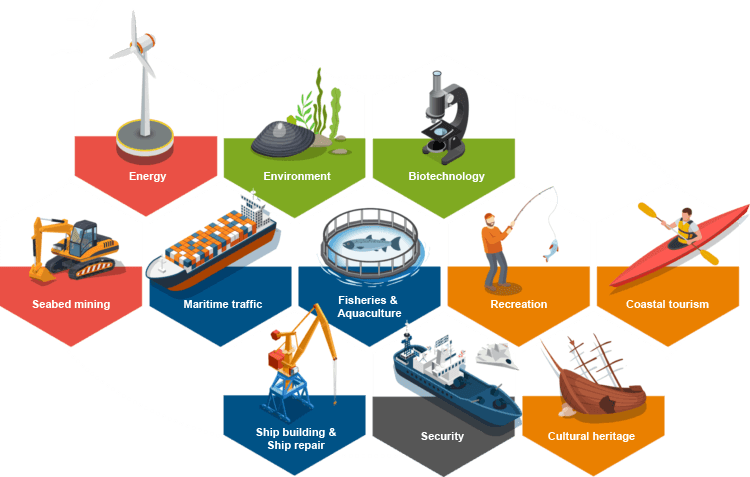
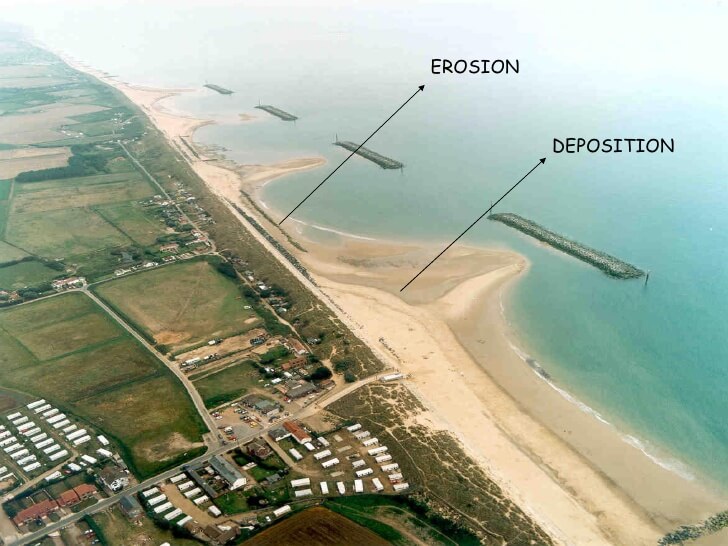
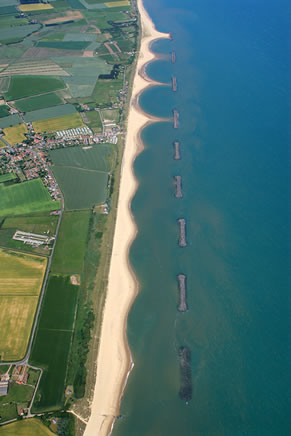
Coastal zone management involves managing coastal areas to balance environmental, economic, human health, and human activities. The Aim of ICZM isproviding the basis for protecting, restoring, and responsibly developing the Africa's diverse coastal communities and resources.
Marine spatial planning is a public process of analyzing and allocating the spatialand temporal distribution of human activities in marine areas to achieve ecological, economic, and social objectives that usually have been specified through a political process. Characteristics of marine spatial planning include ecosystem-based, area-based, integrated, adaptive, strategic and participatory.
Marine spatial planning is not an end in itself, but a practical way to create and establish a more rational use of marine space and the interactions among its uses, to balance demands for development with the need to protect the environment, and to deliver social and economic outcomes in an open and planned way.
So, welcome to introduce your idea regarding the below themes
1- Monitoring of environmental changes on coastal ecosystem
Climatic and geological factors.
Human activities.
Biodiversity and Biomarkers.
Strategies for monitoring the environment in the Coastal Zone and technology transfer, including the use of geographic information system (GIS), remote sensing etc...
Challenges and prospects in relation to Integrated Coastal Zone monitoring.
2- Approaches in management of coastal zones
Tools for management of environmental conflicts in coastal zones.
Prevention of damage from both of natural and anthropogenic hazards.
Conservation and protection strategies
Coastal ecosystem restoration.
Capacity building for Integrated Coastal Zone management for developing Maritime countries.
3- Marine spatial planning
The ontological politics of marine spatial planning.
How marine spatial planning is and is not a process of ocean enclosure.
Coastal community interactions, opportunities, and outcomes in oceanplanning.
The role of spatial data and technologies in shaping ocean planning andhuman-ocean relationships.
The role of the environment in planning efforts, including how ocean animals (and their representations in data and discourse) affect processes and outcomes.
Understanding modern environmental governance through regional Ocean planning.
The evolution of “marine spatial planning” to “regional ocean planning”