Climate Change Mitigation and Adaptation.
sub-themes
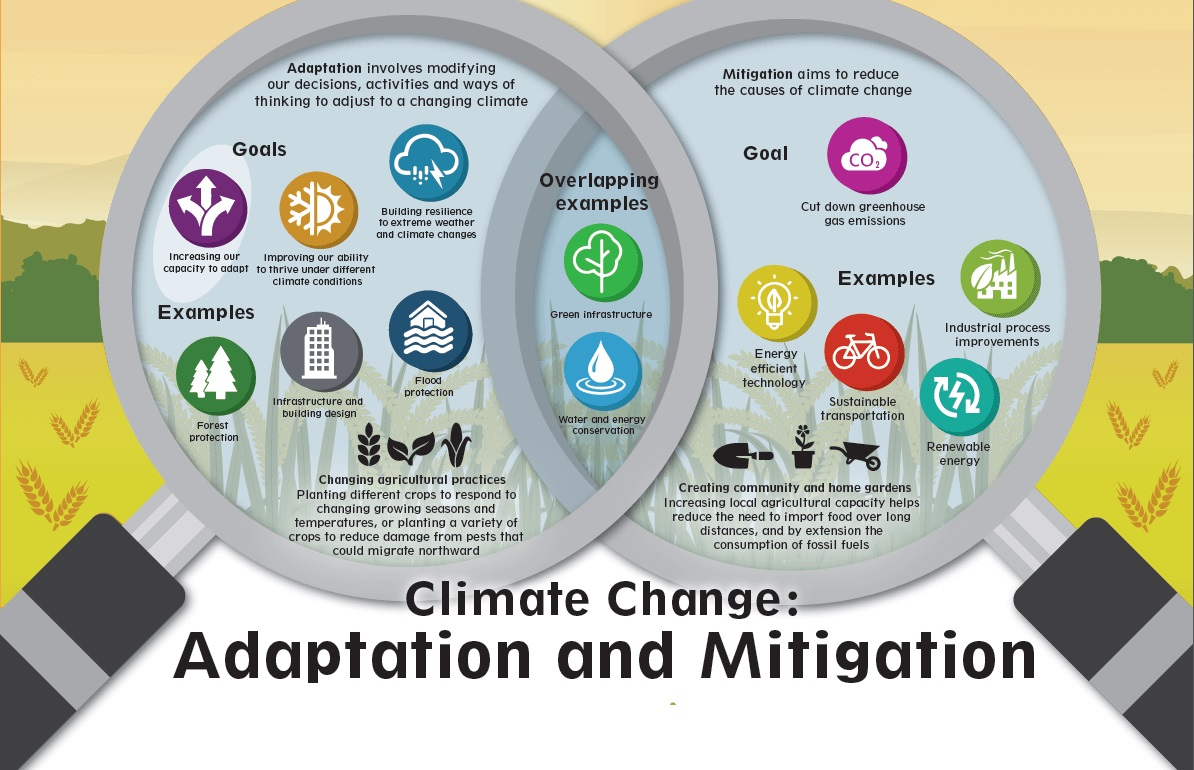
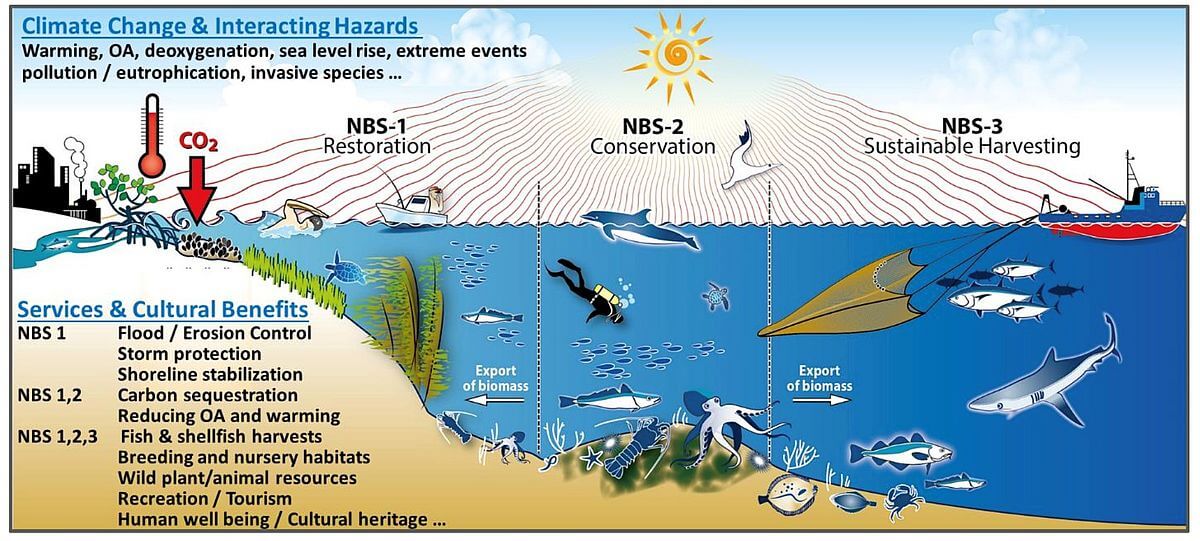
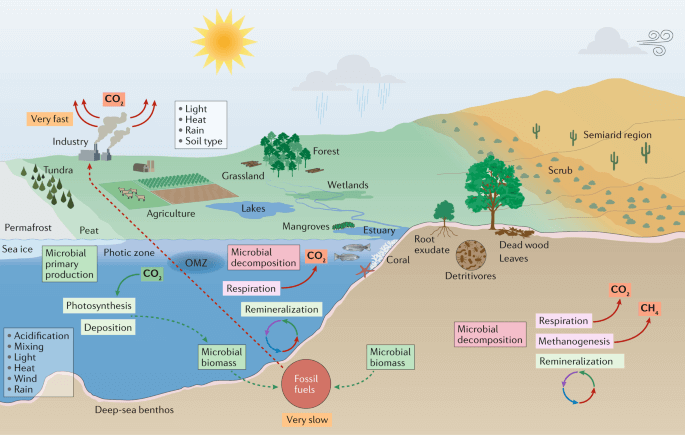
Africa is a large and highly diverse continent with different people, histories, climates and environments. As a consequence of Africa’s diversity, climate change impacts will depend on the peculiar climate, environmental and socio-economic set-up of particular sub-regions. For example, Central, and more so, Eastern Africa are expected to experience major impacts that will be driven by changes in seasonal rainfall and extreme rainfall and drought events, while large parts of Western, Northern and Southern Africa will likely experience significant reductions in overall rainfall amounts, becoming hotter and drier. Warming of fresh and marine waters is impacting on fisheries productivity: warming in freshwaters tends to reduce fisheries production, but in the marine system there may be some short-term benefits. In coastal zones and Small Island Developing States (SIDS), flood risks resulting from sea-level rise and sporadic storm surges will increase. All these changes will have severe attendant impacts on the socio-economic fabric of Africa’s nations, including declines in water availability, reduced agricultural production, heightened risk of diseases, and destruction of infrastructure, ecosystem changes and biodiversity loss.
Adaptation to these expected changes is key, if the Africa is to continue on the path of growth and sustainable development even in light of the projected negative impacts of climate change on the natural and socio-economic fabric of the continent.
According to expert consensus, climate change is a reality facing a number of vulnerable societies across the globe. In Turn Down the Heat: Climate Extremes, Regional Impacts and the case for Resilience, a 2013 report by the World Bank, it is highlighted that under a 4°C warming scenario 1, most of the world’s population is likely to be affected by impacts occurring simultaneously in multiple sectors. A 4°C world increase in average surface temperatures by the end of the century remains a real risk. The United Nations Environment Programme (UNEP) Emissions Gap Report, released at the Climate Convention Conference in Doha in December 2012, found that present emission trends and pledges are consistent with emission pathways projected to reach warming in the range of 3.5°C to 5°C by 2100 (UNEP, 2012). According to the International Energy Agency’s World Energy Outlook 2012 report, based on the IEA current policy scenario and in the absence of further mitigation action, a 4°C warming above pre-industrial levels within this century is a real possibility, with a 40% chance of exceeding 4°C by 2100 and a 10% chance of exceeding 5 °C (IEA, 2012).
While adaptation strategies to climate change have now found their way onto the international and national agendas, there is acknowledgement that there are limits to effective adaptation, particularly if GHG emissions are not reduced and warming is not kept below 2°C. Adaptation to even a 2°C warming will be a massive challenge in many regions, and these challenges increase significantly under higher warming scenarios. Despite these grim prospects, climate change simultaneously offers opportunities for learning, for regionally integrated action, and political and economic transformation beyond the status quo. However, these will only be realized through strong policies and measures, appropriate institutions, good governance, behavioral and livelihoods changes, innovation, and investments in infrastructure and new technologies.
Effects of climate changes on water
1. African governments should strengthen research on water resources and upgrade the hydro-climatic monitoring networks in order to better observe, understand, and model the effects of climate change and provide timely and free access of data and information, with particular focus on precipitation processes and their resultant hydrological responses, and help to identify adequate adaptation strategies and to see to their timely implementation.
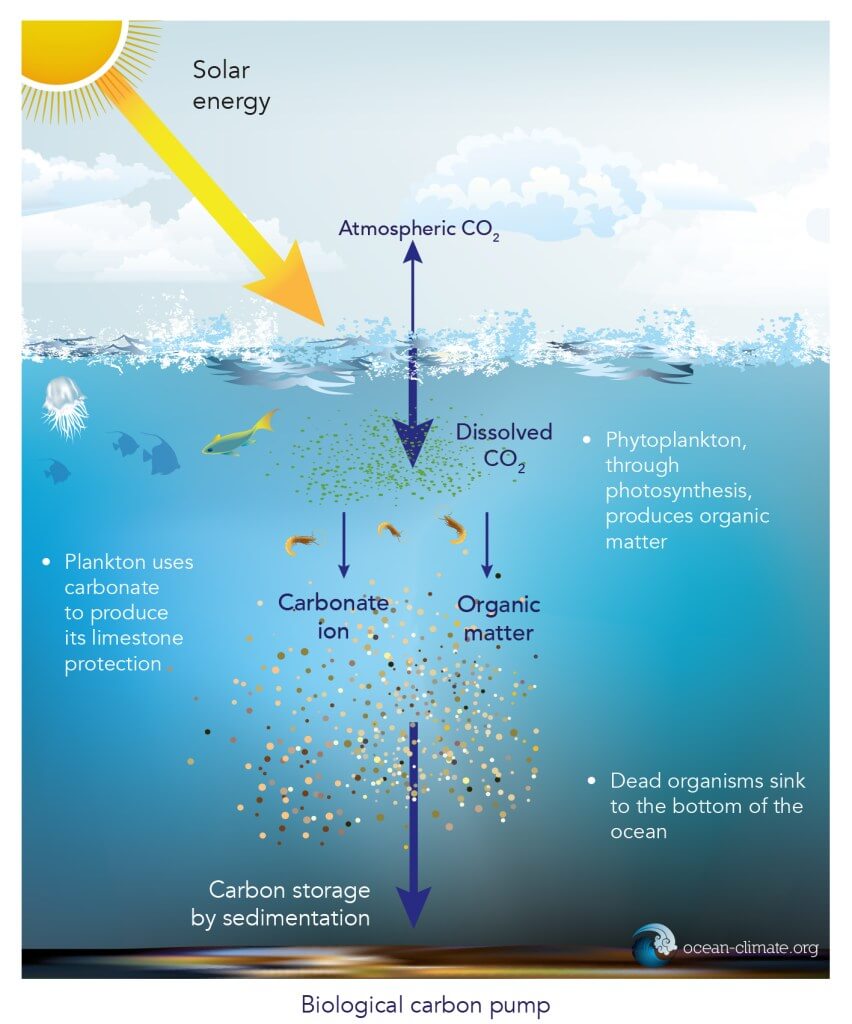
2. African governments need to put more emphasis on improving understanding of anthropogenic impacts on oceans as climate regulator, including changes in ocean temperatures, already occurring on ocean surface layers and loss of oxygen, salinity, nutrients and sediment loading, with impacts on hypoxia and algal blooms, circulation and acidification impacts.
3. It is essential to improve communication on research results on water issues to local communities, especially in remote areas on the African continent, such that scientific results are made useful for the people living in such areas. Monitoring and research priorities as well as capacity-building at all levels should be fully considered, ranging from the involvement of citizens in scientific water monitoring activities to the dissemination of a basic knowledge about ecosystems and the importance of nature conservation.
Effects of climate changes on the coastal and urban zones
1. African coastal states and small islands represent areas of rich natural and economic resources, increasing population growth and urbanization, but are vulnerable to sea level rise and climate change impacts. These areas are already facing several stressors from climate change such as coastal erosion, coastal flooding from storm surges, ecosystem degradation (including wetlands, mangroves, coral reef, and delta areas), soil salinization and construction of buildings on
2. African governments need to implement adaptation options such as cost effective coastal protection measures, resilient infrastructures and utilities, coastal and marine spatial planning, regulations/legation and controls for marine pollution and sustainable development.
3. African governments need to promote the existing opportunities and partnership for the private sector engagement in the implementation of adaptation measures in coastal and urban zones.
4. African states with long ocean shorelines should develop blue economy by establishing landing berths, buying fishing ships, training their fisher folks and protecting their territorial oceans from exploitation by others.