Ocean Ecosystem and Resources, including Fisheries
sub-themes
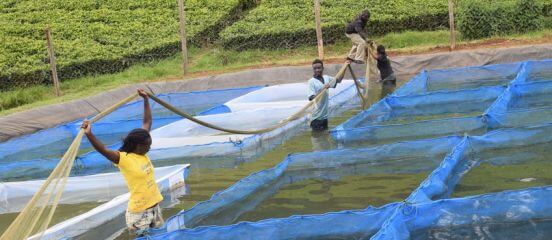
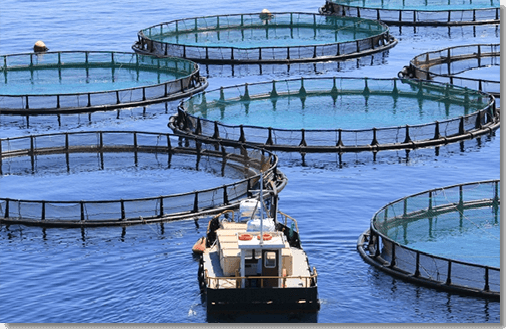
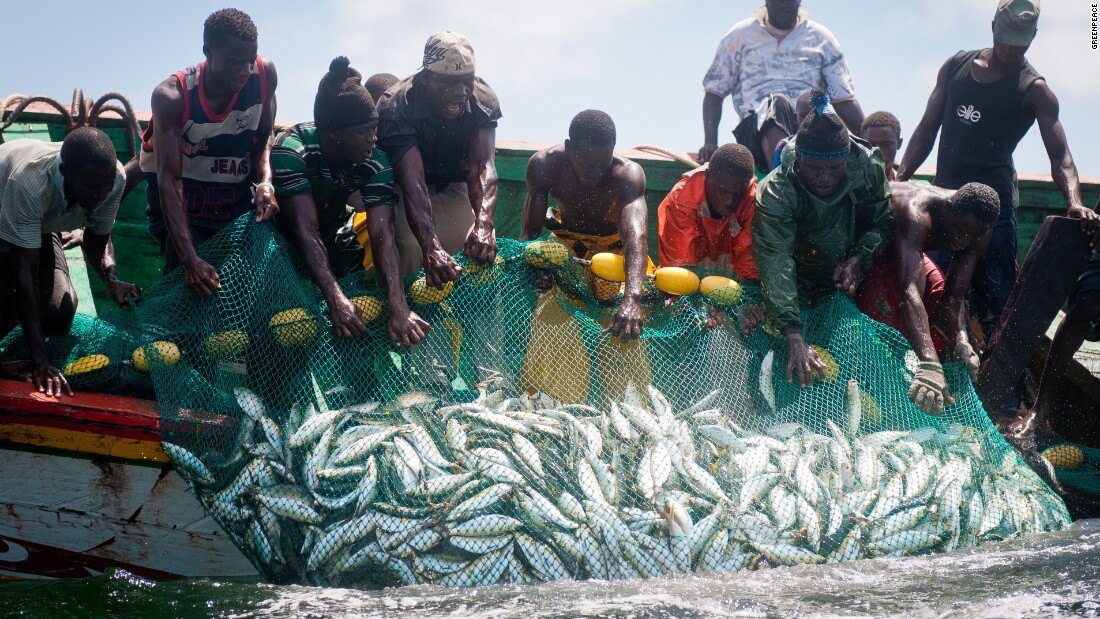
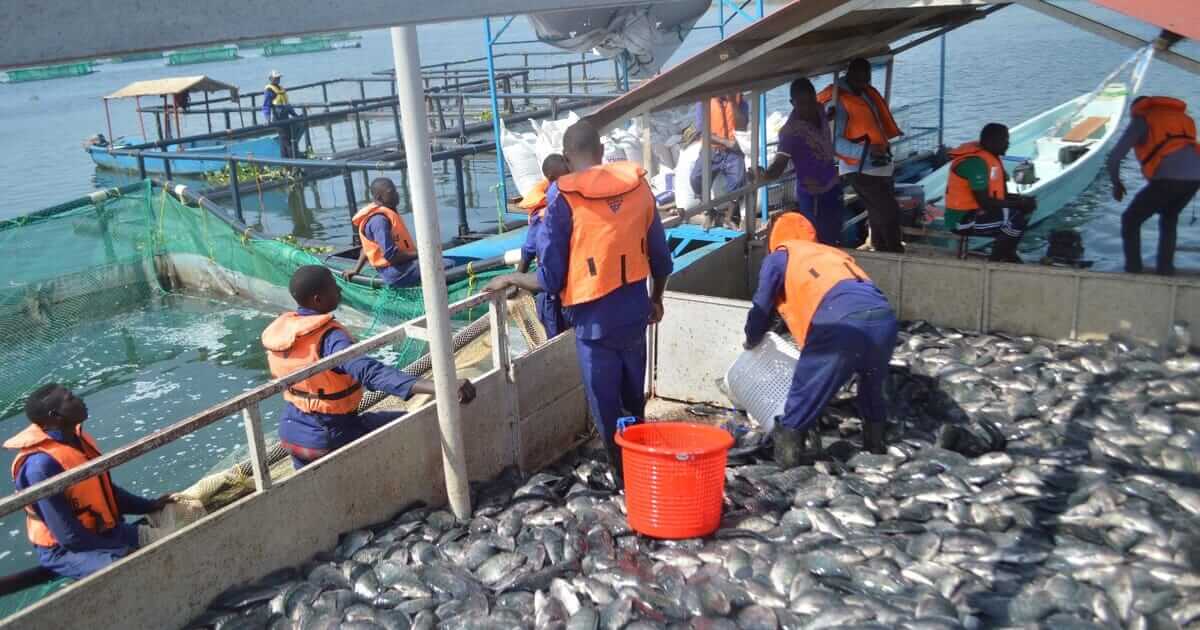
The ocean is one of Earth's most valuable natural resources. It provides about 16% of the total world’s protein with higher percentages occurring in developing nations. Fisheries are enormously important to the economy and well-being of communities. According to the Food and Agriculture Organization (FAO, 2020) the annual total value added of aquatic ocean resources is approximately $1.5 trillion. About 17% of the total global animal protein is provided by fisheries and aquaculture, which means that billions of people depend on the aquatic resources for their nutrition requirements.
Global fish production was estimated at 171 million tons in 2016, supplying around 20.3 kg/capita per year. Around 59.6 million people were employed in fisheries and aquaculture in 2020 and some 200 million direct and indirect employment opportunities occur along the value chain from harvesting to distribution, making the livelihoods of some 660 to 880 million people dependent on the sector.
Globally, aquacultures have a growth rate of 6.6% per annum, making it the fastest-growing animal-food-producing sector and faster than the 1.8% annual global population increase. It is thus contributing to an overall improvement in human diet. Lack of available maritime space for aquaculture activities, competition in the globalmarket and administrative constraints in particular concerning licensing proceduresare amongst the challenges to growth. Sustainable aquaculture must also consider potential impacts on wild fish stocks and water quality. Since the start of the present economic crisis, investment has been limited by the lack of capital.
The fisheries sector offers tremendous opportunities to bolster food security in Africa.They are an important source of protein, revenue, and employment for manycommunities along the African coastline and on the shores of its large lakes. The Food and Agriculture Organization (FAO) reports that the value added by the fisheries sector exceeded USD 24 billion or 1.26 percent of the GDP of all African countries. More still could be gained: Non-African countries harvest about a quarterof marine catches in African waters. If those catches had been made by African Statesan additional value of USD 3.3 billion would have been generated, compared to USD0.4 billion that were gained from selling fisheries permits. Less than 5% of fish is produced by aquaculture, compared to 47% globally (World fish, 2014). Artisanal marine and inland fisheries provide a third of all catches
Despite their importance, many African waters are facing challenges and threats in anera of unprecedented usage, policy and management changes and growing evidenceshows that these systems are exposed to increase degradation. Though chief in itsimpacts on fisheries, it is however, important to note that other factors other than climate change affect fish yields and productivity. These include increasing coastal population, increased demand/uses of renewable water resources, which intensifies competition, conflicts, inequalities and under development, high variability in water levels and flows, and sea-level rise for coastal waters. Warming of fresh and marine waters is impacting on fisheries productivity: warming in fresh waters tends to reduce fisheries production, but in the marine system there may be some short-term benefits. Another threat to water resources and fisheries in Africa is winding biologicaldiversity due to a number of factors inclusive of overfishing, pollution and eutrophication, and climate change among other factors. The International Union for Conservation of Nature (IUCN) identified 21 species in African waters that are threatened by extinction due to bad land use practices that lead to sedimentation, water pollution, proliferation of invasive alien species, deforestation, mining and habitat loss due to agriculture to mention a few.
Themes for Ocean ecosystem and resources, including fisheries
Ecosystem based management and integrated assessments
Impact of climate change on fisheries and aquaculture
Technology advancement in aquaculture
Sustainable fisheries and aquaculture
Biodiversity and conservation
Small-scale fisheries in Developing Countries
Management Challenges of a Changing Environment.
Challenges facing fisheries management in developing countries
Mariculture in Africa
Inland fisheries and Limnology
Fish diseases and fish nutrition/health management
Impacts of aquacultural farming on environment
Alien species management